

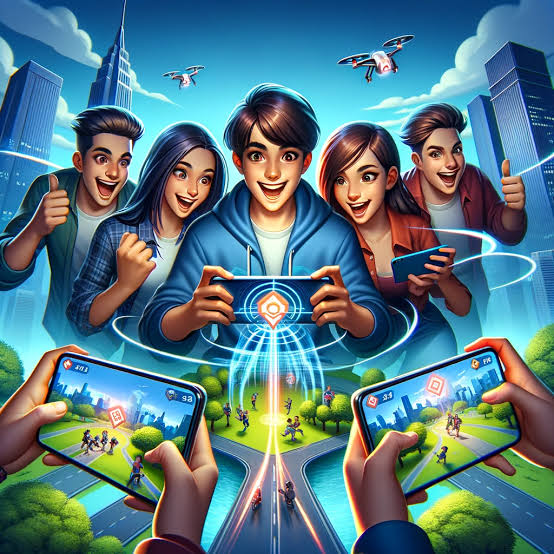
Entertainment has changed dramatically over the past few decades. Not long ago, playing a game usually meant sitting in front of a television, inserting a disc, or gathering friends around a board. Today, entertainment can fit inside a smartphone. With a few taps, players can enter colorful worlds, compete with strangers, alternatif big777 solve challenges, and enjoy adventures from almost anywhere. This transformation shows how the online game has become an important part of modern digital entertainment.
The Early Days of Online Game Entertainment
The story began with simple computer games and basic internet connections. Early multiplayer experiences were often limited by slow speeds and modest technology. Players might wait several minutes just to connect with someone else. Graphics were simple, and gameplay could feel repetitive.
Yet, something important was happening.
People were discovering that games could connect them beyond the limits of their homes. A player in one city could compete against someone hundreds of miles away. That idea was exciting. Even when technology was limited, the social experience created a new kind of entertainment.
As internet access improved, developers gained more freedom. Games became larger, faster, and more interactive. Multiplayer communities started growing, and gaming slowly moved from a solitary activity toward a shared digital experience.
How the Online Game Became More Social
One of the biggest changes in gaming has been the rise of social interaction. Today, playing is not always about winning. Sometimes, it is about spending time with people.
Think about friends who live in different cities. They may not meet every weekend, but they can still enter the same digital world after dinner. They can talk through voice chat, laugh at unexpected moments, and work together toward a common goal.
This social element has made gaming feel more personal.
Modern games often include team missions, live events, messaging systems, online communities, and competitive modes. Players create friendships with people they may never meet in person. In some cases, these communities become as meaningful as traditional social groups.
Who would have imagined that a screen could become a meeting place?
Smartphones Changed Everything
The arrival of smartphones pushed gaming into another era. Players no longer needed an expensive computer or dedicated console to enjoy interactive entertainment. A mobile phone could provide access to games during a lunch break, while traveling, or while relaxing at home.
This convenience changed player habits.
Instead of scheduling gaming sessions around a television or computer, people could play whenever they had a few spare minutes. Short sessions became popular. Simple controls became more important. Developers began creating experiences designed specifically for touchscreens.
Mobile technology also brought gaming to audiences who might never have considered themselves traditional gamers. Parents, office workers, students, and casual players could all discover something enjoyable with very little effort.
Better Technology, Bigger Experiences
Technology continues to reshape digital gaming. Faster internet connections allow smoother multiplayer experiences. Better processors create richer environments. Modern graphics can make virtual worlds feel remarkably detailed.
Cloud technology has also influenced how people access entertainment. Players increasingly expect quick access without lengthy installations or complicated hardware requirements.
At the same time, developers have learned that impressive graphics alone are not enough. A beautiful game still needs a good story, responsive controls, meaningful challenges, and memorable characters.
The best experiences often create an emotional connection. A player might remember a difficult victory years later. Another person may remember laughing with friends during an unexpected moment. These memories are what transform a game from simple software into entertainment.
The Rise of Competitive Gaming
Competitive gaming has added another powerful dimension. What started as friendly competition has developed into organized tournaments, professional teams, livestreams, and passionate fan communities.
Players now watch skilled competitors just as sports fans watch athletes. They study strategies, follow tournaments, discuss performances, and support their favorite teams.
For younger audiences especially, competitive gaming can feel like a modern sporting culture. It combines skill, preparation, teamwork, pressure, and entertainment.
Of course, competition is not for everyone. Some people simply want to explore a virtual world after a long day. Others enjoy solving puzzles or building creative spaces. The beauty of modern gaming is that there is room for different personalities and preferences.
Personalization Is the Next Big Step
Another major development is personalization. Games increasingly allow players to customize characters, environments, controls, and experiences. This gives people a stronger sense of ownership.
Imagine entering a virtual world and finding that your character looks exactly the way you want. You choose the outfit, style, equipment, and even the way certain challenges are approached. Small choices can make an experience feel uniquely yours.
Developers are also paying closer attention to player feedback. Online communities can quickly share opinions about updates, features, and problems. As a result, many games continue evolving long after their initial release.
What Comes Next?
The future of digital gaming is difficult to predict, but one thing seems certain: the experience will become more immersive.
Virtual reality, augmented reality, cloud services, and improved connectivity could make digital entertainment feel even more natural. Players may interact with virtual environments in ways that currently seem impossible.
Still, technology will only be part of the story. main big777 The heart of gaming will remain the same: curiosity, competition, creativity, friendship, and fun.
From simple computer experiences to connected digital worlds, gaming has come a remarkably long way. The journey reflects how quickly technology can change the way we relax and connect with others.
The next time you start a game, take a moment to appreciate how far the experience has come. Whether you play for five minutes or lose yourself for an entire evening, there is a fascinating history behind that simple decision to press “play.” And with every new innovation, the next chapter of digital entertainment is already beginning.
