


Operating in sub-zero winter environments presents unique challenges for personal care brands and beauty retailers. Across cold northern markets like Russia, sub-zero outdoor temperatures, freezing winds, and harsh indoor radiator heating strip moisture from the skin constantly. This extreme environmental stress leads to widespread barrier breakdown, redness, cracking, and chronic dehydration, driving massive consumer demand for heavy-duty barrier repair and deeply occlusive skincare.
To meet the rigorous demands of sub-zero winter climates, cosmetic stockists require heavy-duty barrier formulas that combine deep occlusion with elegant absorption. Through robust manufacturing and supply chain expertise, CareLine supplies high-performance shea butter lotions, protective hand balms, and barrier-repair creams to major international retail stockists and pharmacy networks across Russia, ensuring complete product stability under extreme environmental stress.
The Dermatology of Cold-Weather Skin Protection
Understanding how freezing weather damages the stratum corneum is essential for retail buyers curating a cold-weather product portfolio.
1. Transepidermal Water Loss (TEWL) in Freezing Air
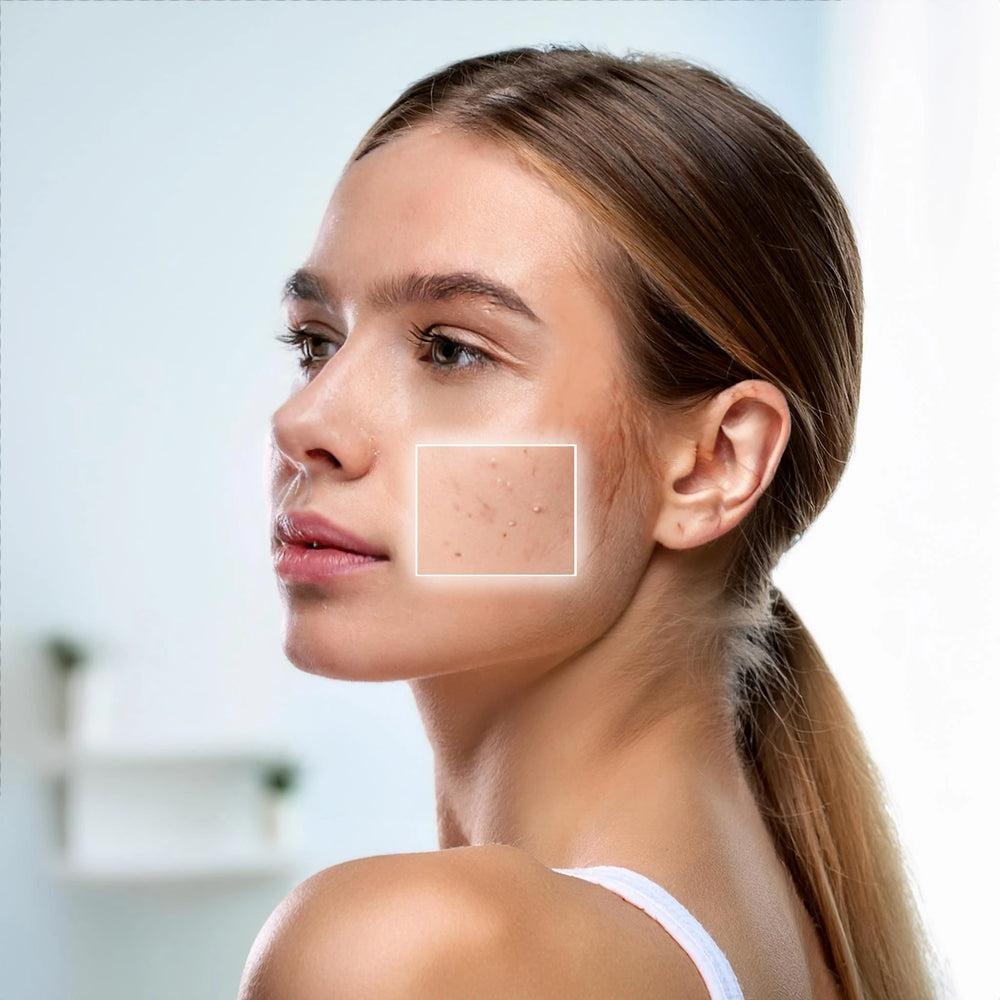
Cold air holds significantly less humidity than warm air. When consumers step outdoors in sub-zero weather, moisture is pulled rapidly from the deeper layers of the epidermis into the dry surrounding air. This process, known as transepidermal water loss, weakens the skin barrier and leaves it vulnerable to environmental irritants.
2. The Radiator Effect
The damage caused by icy outdoor winds is amplified when consumers step indoors. Radiators and central heating systems create dry, low-humidity indoor environments that further strip natural surface lipids. Skincare built for winter climates must contain high concentrations of occlusive lipids—such as shea butter, stearic acid, and ceramides—that form a semi-permeable seal over the skin to prevent moisture evaporation.
Retailing in Russia: From Beauty Halls to Pharmacy Chains
Russia’s cosmetic retail sector is defined by a mix of high-concept beauty hypermarkets, extensive pharmacy networks, and rapid e-commerce expansion.
Premium Beauty Halls and Department Stores
Retail leaders like Gold Apple have revolutionized beauty shopping by combining massive product selection with immersive, high-end retail spaces. In these beauty halls, consumers seek visually striking, premium body care and facial products that combine natural botanical ingredients with clinical barrier-repair claims. Products displayed in this channel require high-end packaging, rich sensory textures, and strong brand storytelling.
Pharmacy Networks and Mass Distribution
Alongside luxury beauty halls, pharmacy chains represent a major distribution channel for functional, dermatologist-recommended barrier repair. Products in pharmacy networks focus heavily on severe dry skin solutions, hand creams, and protective lip balms. Mass volume retail relies on affordable price points, durable packaging, and reliable replenishment schedules during peak autumn and winter sales seasons.
Formulation and Packaging Standards for Cold Climates
Selling skincare in regions subject to severe freezing requires specialized formulation testing and packaging engineering.
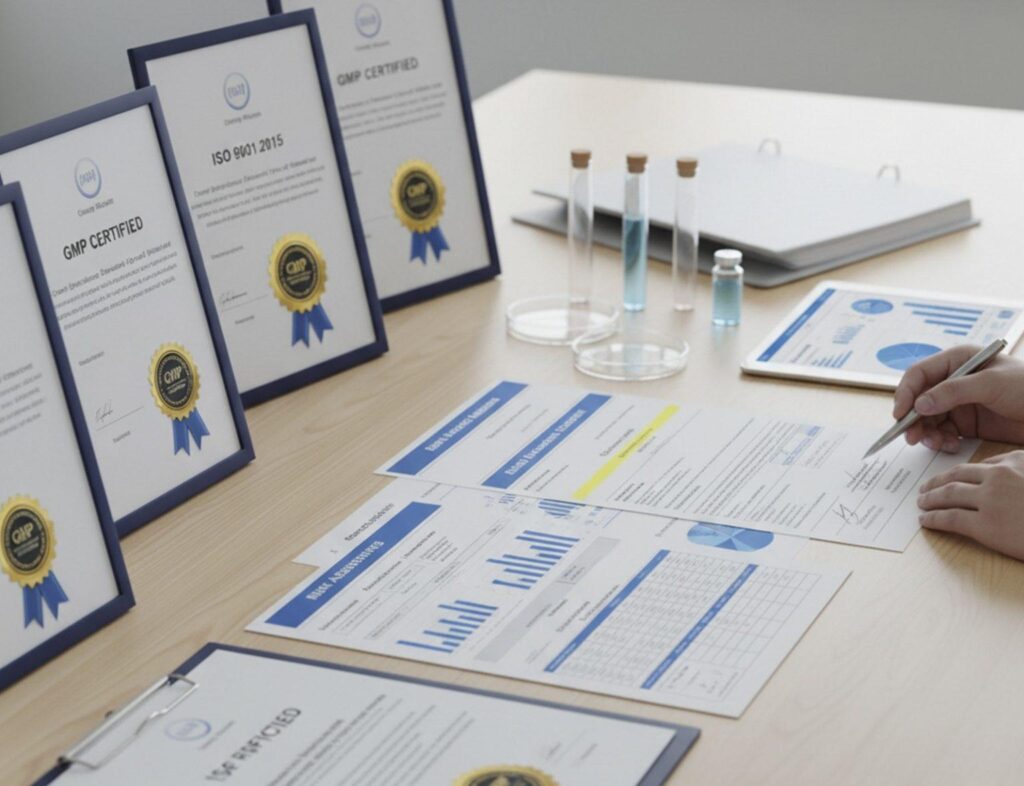
- Freeze-Thaw Stability: Skincare products shipped across long distances in sub-zero temperatures undergo extreme temperature fluctuations. Formulas must pass rigorous freeze-thaw stability testing to ensure the oil and water phases do not separate, curdle, or change texture when exposed to freezing cold and subsequent room temperatures.
- Durable, Cold-Resistant Packaging: Standard plastic tubes and pumps can become brittle and crack when exposed to extreme freezing during transport. Packaging used in northern climates must utilize high-impact, flexible polymers that withstand low temperatures without breaking or leaking.
- Non-Greasy Absorption: While consumers need heavy occlusive protection, they dislike greasy formulas that ruin clothing or feel sticky. Modern winter skincare uses advanced emulsion technology to suspend rich shea butter and natural oils in fast-absorbing creams that leave a silky protective film.
Conclusion
Cold-weather beauty retail is a highly profitable, high-volume sector for brand owners who understand environmental skin defense. By formulating rich, occlusive skincare engineered to withstand extreme winter conditions, brand managers and distributors can build strong market share across northern retail networks. Aligning with an experienced manufacturing partner ensures your cold-weather inventory meets the highest standards of formula stability, packaging durability, and consumer satisfaction.
Frequently Asked Questions (FAQs)
Why is shea butter particularly effective for winter skincare?
Shea butter contains high concentrations of stearic and oleic fatty acids, which closely resemble the natural lipids found in human skin. These fatty acids form a protective occlusive layer over the stratum corneum, locking in moisture and preventing environmental windburn during cold weather exposure.
What is freeze-thaw testing in cosmetic manufacturing?
Freeze-thaw testing is a quality control process where product samples are subjected to repeated cycles of sub-zero freezing followed by room-temperature thawing. This tests the structural stability of the emulsion, ensuring the cream will not separate, grain, or lose efficacy during shipping in cold winter climates.
How do seasonal temperature changes affect skincare sales cycles in northern markets?
In cold northern regions, body care and rich barrier repair sales spike dramatically between October and April. Retail buyers usually place inventory orders for winter products several months in advance (during late spring and summer) to ensure store shelves are fully stocked before the first autumn temperature drops.
