

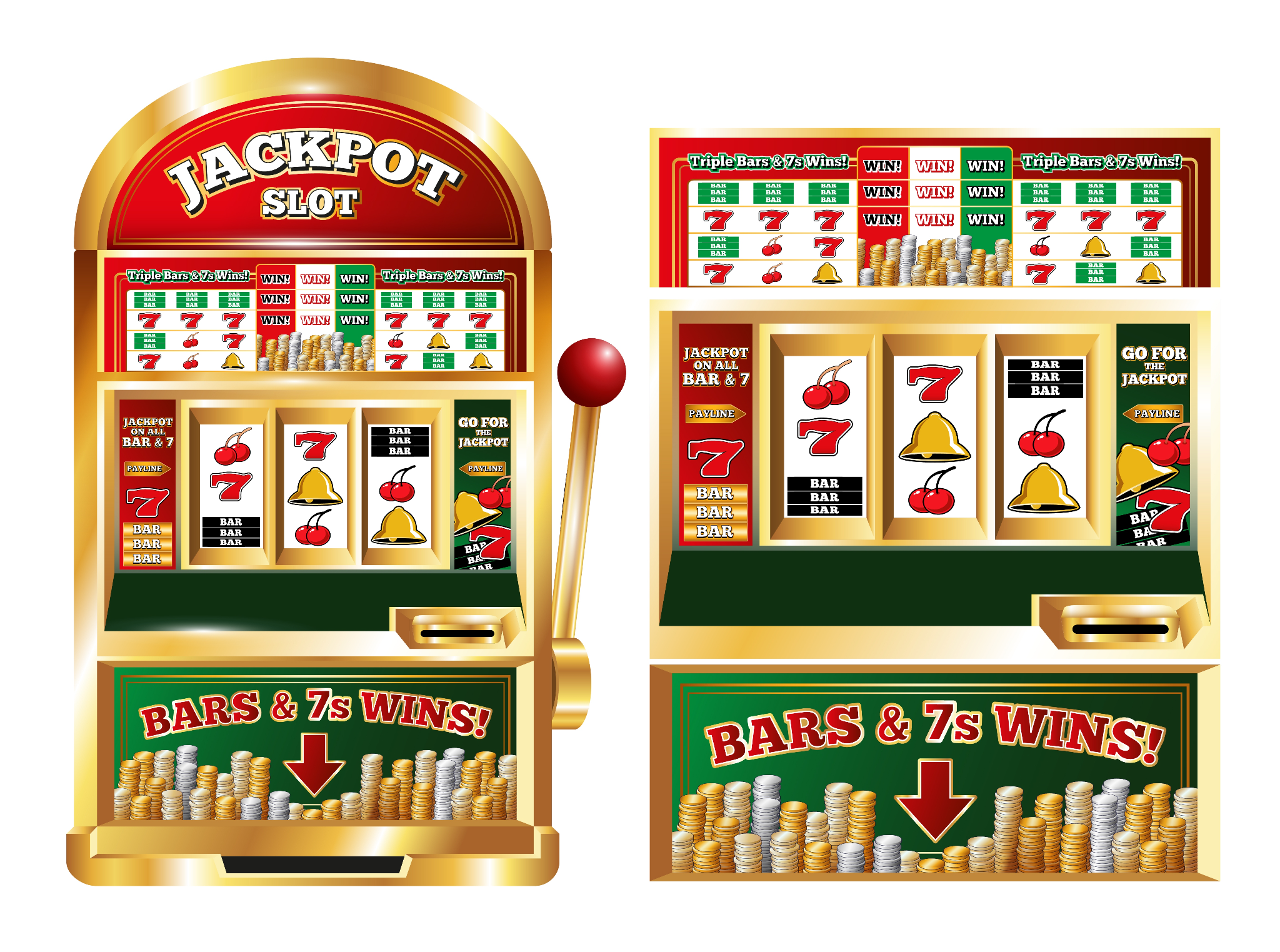
Sometimes after a series of bad spins, players will move from machine to machine, or title to title, online, because they think a different game may provide better immediate odds.
Some leave a game after a payout because they think it is less likely to payout again for a while. These concepts are understandable, but they are not the way modern regulated slot systems are generally designed to determine outcomes.
Among the many tips to win slots found online, claims that switching games can reset, refresh, or improve the odds should be treated cautiously.
Each Spin Is Usually an Independent Event
The results in most modern slots are determined by random number generator technology. The RNG is always running and generating a number based on the possible outcomes of the reels.
When a spin begins, the system calculates the outcome according to the mathematics of the game being played. What we see on the next round is not usually decided by what was on the previous spins.
This means that a losing streak does not necessarily increase the chance of a win, just as a recent win does not necessarily decrease the chance of a win.
Changing Games Does Not Erase Previous Results
Switching to a different title does not reset any underlying streak or personal win/loss cycle. Each game is completely independent of its own programmed parameters like return-to-player rate, volatility, symbol distribution, bonus mechanics, etc. These traits are unique and can change the way you play the game, but changing the game does not cancel out or balance out previous results.
RTP Is a Long-Term Statistical Measure
“Return to player” or “RTP” is a word that is widely misunderstood. An RTP percentage is the theoretical percentage of money bet that a game is designed to pay back over a very large number of rounds. It does not predict what a single person will get in one particular session.
You could still lose your money in a short play session, even if the RTP of a game is higher. In contrast, a game with a lower RTP could pay out quickly. Of course, the short-term results are different.
Volatility Changes the Experience, Not Past Outcomes
Volatility is the measure of the frequency and the size of payouts. Games with lower volatility are typically designed with more frequent but generally smaller payouts. Games with higher volatility may have less frequent wins but pay out larger amounts. Changing between those types changes the payout profile that the player is experiencing. It does not change past results or create a new probability cycle out of the past.
Why Patterns Can Feel Convincing
Humans have a built-in tendency to find patterns in randomness. A string of losses can make a win feel like it is owed. Similarly, a recent payout can make one seem unlikely. This tendency is closely related to the gambler’s fallacy, the mistaken belief that past independent outcomes must influence what happens next. Random sequences do have patterns. You can have streaks, clusters, repeated outcomes, etc., and it will still be random.
Game Selection Still Matters
“Switching” does not change the odds, but the selection of games may affect the player’s experience. Different games can have different RTPs, volatility levels, betting ranges, bonus features, and jackpot designs. Instead of trying to predict when a game is due to pay out, players can compare those characteristics on the basis of budget and entertainment preferences.
Wrapping Up
Often, switching slot machines doesn’t reset the odds or stop a losing streak. Each game operates on its own programmed probabilities. Individual spins are typically independent of previous results. Players can still look at RTP, volatility, betting limits, and game features to compare when choosing what to play. Those factors are useful information regarding how a game is structured, while past spins are not a reliable way to predict the next outcome.
